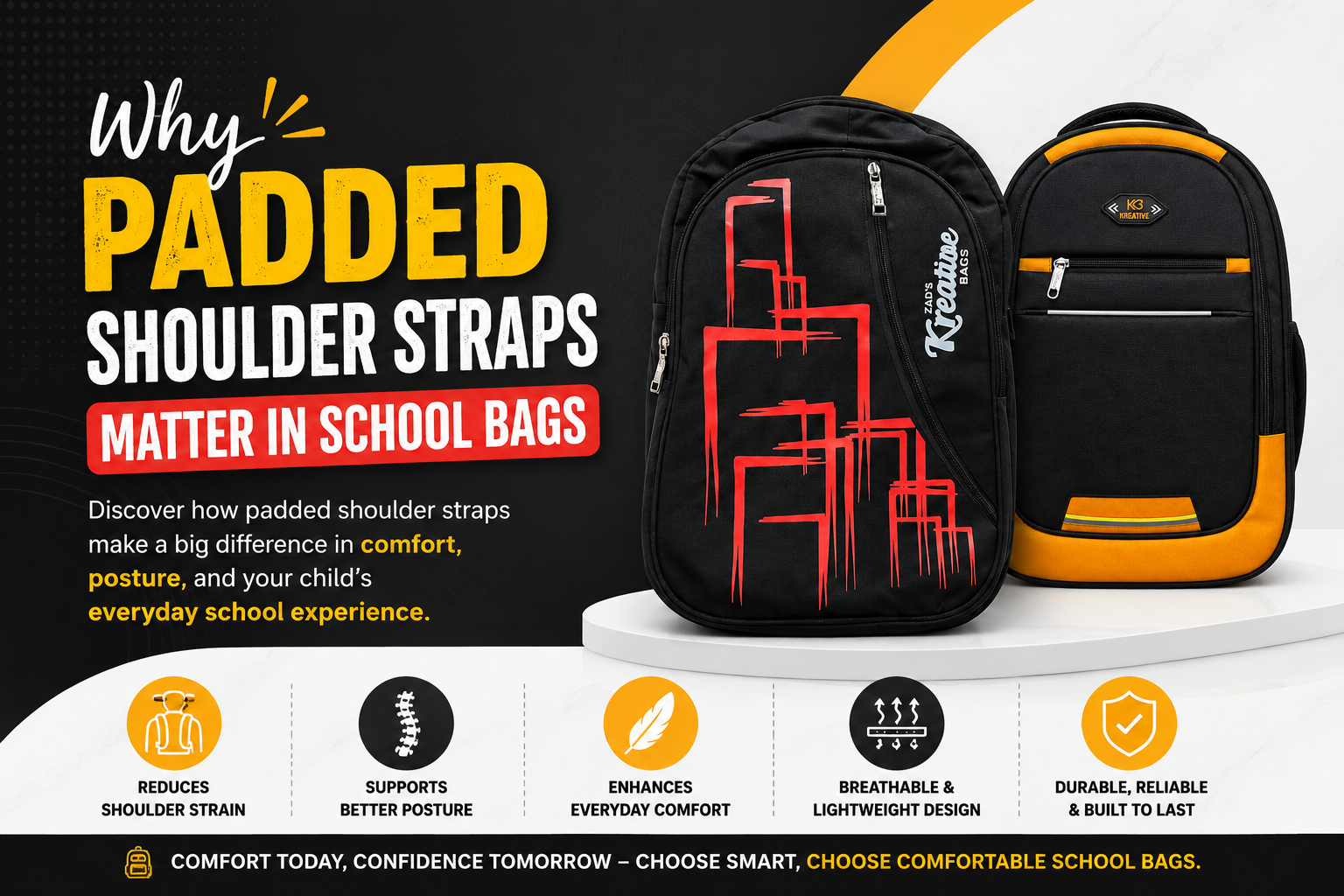
When you look at a finely made bag—whether it’s a school bag, a laptop carrier, or a luxury handbag—the first thing you notice is the quality. From the stitching to the fabric, from the zippers to the handles, every detail matters. But have you ever wondered how manufacturers ensure the same level of excellence across thousands of pieces? The challenge is real: producing in bulk often risks inconsistency. Yet, leading Bag Manufacturers Maintain Quality while scaling production through precise processes, advanced technology, and strict quality checks.
In this blog, we’ll take a deep dive into the strategies, systems, and practices that ensure bag manufacturers never compromise on quality, even when producing at scale.
Table of Contents
ToggleThe Importance of Quality in Bag Manufacturing
A bag is more than just a utility item—it’s a reflection of durability, fashion, and functionality. Customers expect their bags to last long, carry weight comfortably, and look appealing. For retailers and wholesalers, the stakes are even higher: one defective batch can damage brand reputation. This is why Bag Manufacturers Maintain Quality as their top priority when expanding operations.
Quality not only builds trust but also drives repeat purchases. In a competitive market where options are endless, buyers are more likely to stay loyal to brands that consistently deliver durable, stylish, and reliable bags.
Step 1: Choosing the Right Raw Materials
The foundation of any high-quality bag lies in the materials. Whether it’s denim, jute, leather, polyester, or canvas, manufacturers carefully select suppliers who meet strict standards. Consistency in fabric texture, strength, and color is non-negotiable.
This is where the secret begins: Bag Manufacturers Maintain Quality by partnering with certified suppliers and running tests on every batch of fabric. Materials are checked for tear resistance, water resistance, and color fastness to ensure they withstand everyday use.
Step 2: Advanced Machinery for Precision
Handcrafting is an art, but scaling demands machinery. From cutting machines to automated stitching equipment, technology plays a huge role in maintaining uniformity.
With advanced computer-controlled systems, Bag Manufacturers Maintain Quality by ensuring every cut is identical and every stitch is aligned. These machines minimize human error and reduce wastage, allowing mass production without sacrificing consistency.
Step 3: Skilled Workforce Training
Even with the best machines, skilled craftsmanship is irreplaceable. Workers are trained to handle fabrics, operate machinery, and perform finishing tasks with precision. Manufacturers run regular training programs to keep their workforce updated with modern techniques.
Through continuous learning, Bag Manufacturers Maintain Quality by aligning human expertise with mechanical efficiency. Every bag passes through the hands of trained workers who understand the importance of durability and finishing.
Step 4: Strict Quality Control Measures
Quality control (QC) is the backbone of large-scale manufacturing. Bags undergo multiple checkpoints during production:
Fabric inspection before cutting
Stitching checks during assembly
Hardware testing for zippers, buttons, and straps
Final inspection for defects, alignment, and finishing
With these systems in place, Bag Manufacturers Maintain Quality by catching errors early instead of after mass production. Some manufacturers even have random sampling methods to ensure each batch meets global quality standards.
Step 5: Maintaining Consistency Across Batches
Producing 500 bags is one thing—producing 50,000 with the same quality is another. Manufacturers rely on standard operating procedures (SOPs) that dictate every step of production.
From cutting patterns to packaging methods, SOPs ensure workers and machines follow a consistent process. This way, Bag Manufacturers Maintain Quality even when working across multiple factories or production lines.
Step 6: Innovation in Design and Functionality
A bag isn’t just about durability; it’s also about evolving with market trends. Manufacturers conduct regular research to understand customer needs, whether it’s lightweight school bags, eco-friendly jute totes, or luxury leather pieces.
By incorporating innovation into design, Bag Manufacturers Maintain Quality not only in strength but also in usability, style, and appeal. Features like padded straps, waterproof linings, and ergonomic shapes are tested thoroughly before being added to the final design.
Step 7: Environmental Responsibility in Production
Modern customers value sustainability. Manufacturers now focus on eco-friendly practices, from sourcing organic jute to using recycled polyester. These materials undergo the same rigorous checks to ensure they meet quality benchmarks.
Here again, Bag Manufacturers Maintain Quality by balancing sustainability with durability. Eco-friendly does not mean weak; instead, it signals innovation that blends responsibility with strength.
Step 8: Feedback Loops and Continuous Improvement
One of the strongest ways Bag Manufacturers Maintain Quality is through feedback. Customer reviews, retailer insights, and distributor reports provide real-world information about how bags perform.
This feedback is studied to refine processes. For example, if straps on a specific model wear out too soon, the design is re-engineered, materials are reinforced, and future batches avoid the issue. Continuous improvement ensures manufacturers never stagnate.
Step 9: Certifications and Compliance
International buyers demand compliance with safety and quality standards. Manufacturers often acquire certifications like ISO or specific industry approvals to build credibility.
Through compliance, Bag Manufacturers Maintain Quality that aligns with global expectations, making their products competitive not just locally but internationally.
Step 10: Packaging and Delivery Standards
Quality doesn’t end at manufacturing. Packaging is equally critical. Bags are packed in moisture-proof materials, stacked carefully to avoid deformation, and labeled correctly for easy distribution.
By maintaining strict delivery standards, Bag Manufacturers Maintain Quality until the product reaches the end customer in perfect condition.
The Balance Between Quantity and Quality
Scaling is necessary for business growth, but compromising on quality can cost a brand dearly. Smart manufacturers understand this balance and invest in processes, training, and technology that protect their reputation.
The true art lies in delivering 10,000 bags with the same perfection as the very first bag produced. And that’s exactly how leading Bag Manufacturers Maintain Quality at scale.
Conclusion: Why Quality Matters More Than Ever
In today’s competitive market, customers expect nothing less than perfection. Whether it’s a school student carrying books, a professional protecting their laptop, or a fashion enthusiast flaunting a tote, quality defines satisfaction.
That’s why top Bag Manufacturers Maintain Quality not as an option but as a core philosophy. From raw materials to the last stitch, every step is designed to ensure durability, functionality, and style—at scale.
If you’re a retailer, wholesaler, or business looking to partner with a trusted manufacturer, never compromise on quality. Choose a manufacturer that values precision, sustainability, and customer satisfaction above all.
Ready to Work with a Trusted Partner?
At Kreative Bags, we don’t just produce bags—we deliver reliability at scale. With state-of-the-art machinery, skilled craftsmen, eco-friendly practices, and strict quality control, we ensure every product meets the highest standards.
Partner with us today and experience how true Bag Manufacturers Maintain Quality while helping your business grow.
Contact us now to discuss your bulk requirements and take the first step toward building a long-lasting brand your customers can trust.